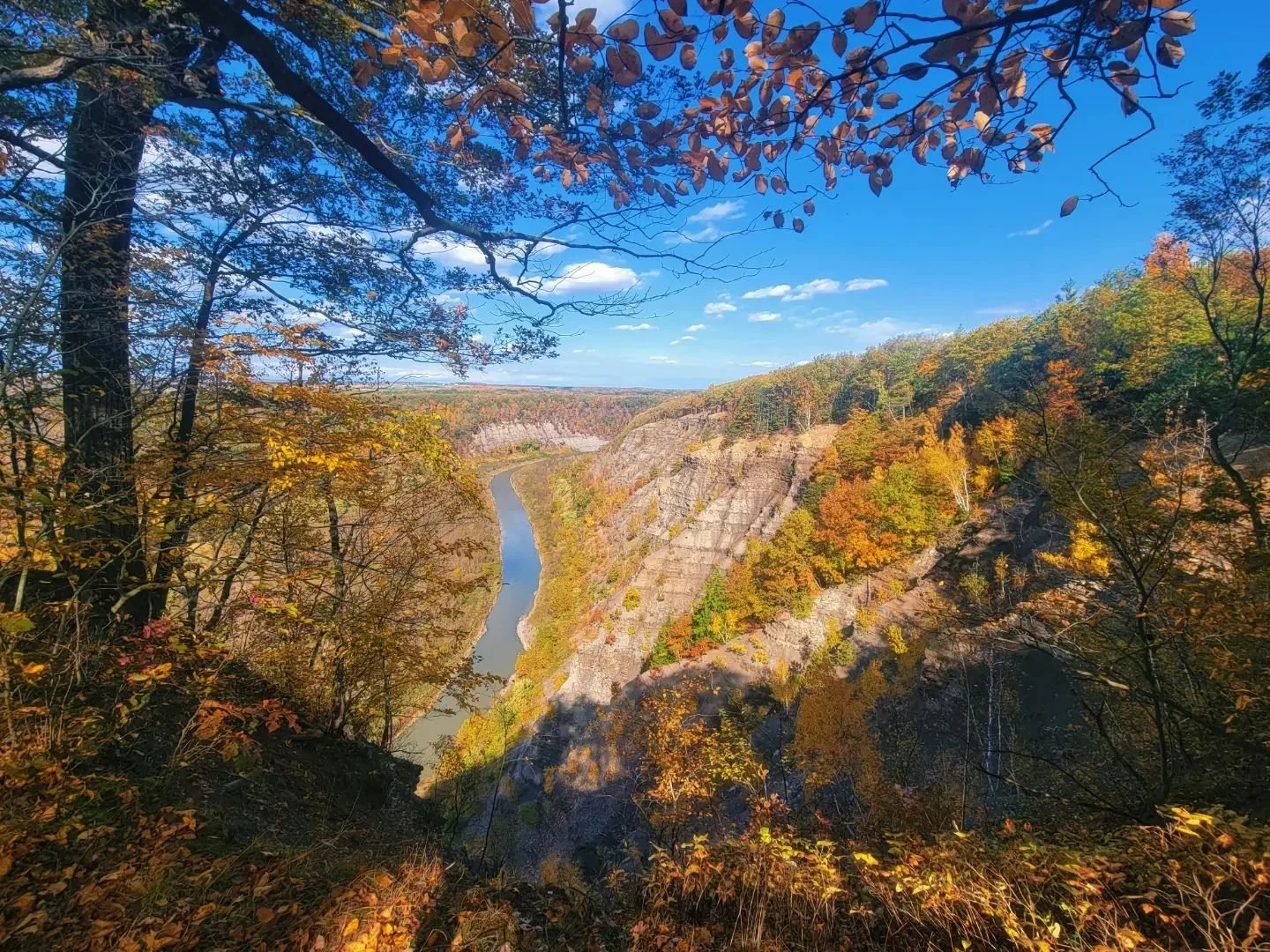
Neurodivergent-affirming, extended-format, somatic therapy for complex trauma and identity exploration
Trauma therapy in North Tonawanda, NY, just north of Buffalo, and online across New York State
What are underneath the things
you already know about yourself?
When you’re in therapy, do you ever…
Need time to warm up before you can talk about the hard sh*t?
Stop yourself from going on a "tangent," or apologize when you do?
Know the backstory matters, but skip it because there isn't enough time?
Feel yourself shutting down or getting overwhelmed when you hit a heavy topic?
Hold off on the big stuff because it'll make the rest of your day too hard?
Feel like you're just getting to the important stuff, and then your session is over?
Wish you could dive deep and really Get. In. To. It. for as long as it takes to come out the other side?
If so…
How’s traditional therapy going?
Have you been feeling a little stuck? Plateaued?
Like you know there’s deeper work, but somehow you just can’t get there.
“Maybe I’m just not working hard enough”
“Maybe this is the best I can hope for”
“Maybe there’s something wrong with me”
“Maybe therapy just doesn’t work for me”
Do any of these sound familiar?
I know we don’t know each other yet, but I just want to start by saying
for sure, 100% you are not doing anything wrong or failing at therapy.
You can tell people the doctor said so.
The work you’ve done so far isn't wrong either. It just wasn't built for you.
Honestly, "normal" sessions aren't built for any of us. They're built for insurance billing.
Two things to know about me off the bat:
I HAVE to know why to buy into something.
I REALLY hate when people are shoved into systems built for profit margins, not people, and then they get gaslit into believing they are the problem.
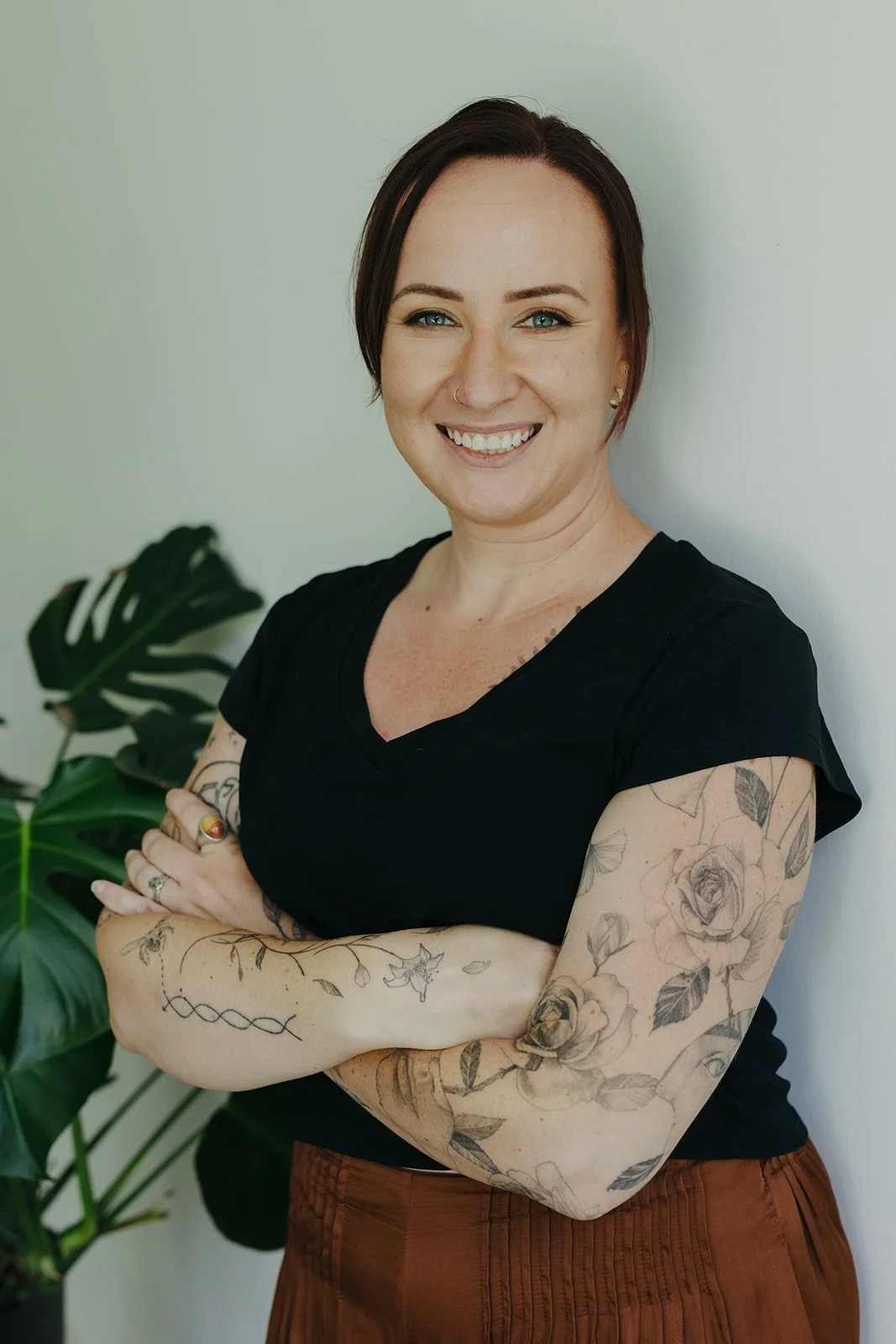
Hi, I’m Dr. Emily Knitter
Just “Emily” is totally fine though. I’m a Licensed Psychologist who took a winding road in life to get to this point. You can read a bit more about me here if you’d like.
I love working with other people who’ve taken the long way to get where they are. Who have some scars, bumps, and bruises to show. Who’ve questioned, burned down, and reinvented. Maybe you’re in the middle of feeling like you “should” have it figured out by now.
Spoiler alert, most folks in my office feel, or have felt, like they’re “behind,” whether they are 19 or 70. You’re in good company!
If that’s you, we’ll likely get along wonderfully.
Welcome to therapy done differently.
You know that feeling at the doctor's office, where you've gotta psych yourself up, bring a list so you don't forget anything, and then right when you finally get going, it's over?
Now imagine you've just gotten into the real issue, you look up at the clock, and you're not even halfway through.
That's what an extended session feels like.
Every session here runs two hours, so there's time to ease in, do the real work, and ground before you leave.
Three ways in…

Recurring 2-hour sessions, weekly or every other week, in person in North Tonawanda or online anywhere in New York State. This is the baseline standard. Enough time to settle in, dig deep, and come out without rushing.
Extended Sessions

Half-day to multi-day focused work for when something needs more room than extended sessions can give it, or you want to get started and really get right into it, or your schedule and brain work better with deeper work and less long-term commitment. Only offered in-person (not virtual) in North Tonawanda.
Intensive Therapy

Where the work happens in nature with a horse instead of an office. And your ability to feel the work instead of just talk about it is amplified tenfold. This is such powerful work, and I can’t wait to officially offer it next year.
Starting Summer 2027
Equine-Assisted Intensives
A note on safety

“I don't care if you're gay, straight, or somewhere in the middle — I just care that you look good doing it.” - Gretchen Wieners
The Grounded Center isn't neutral territory, it's sanctuary. I stand firmly with BIPOC, LGBTQIA2S+, immigrant, and all communities targeted by state violence, oppression and discrimination.
Your story, your identity, and your privacy are fiercely protected to the fullest extent of the law. I have a lawyer and work regularly to stay as on top of this ever-changing landscape as possible, so I can do my part to keep all of my clients safe and looking good on their journey.
Services & details about The Grounded Center at a glance
The Short Version
Who this is for
Adults who've done therapy before and hit a wall
Complex trauma, attachment trauma, identity work
LGBTQIA2S+ folx needing to explore life without also needing to question their own safety in the space
Neurodivergent (ADHD, OCD, AuDHD, Autism) adults whose nervous systems need a different approach to therapy
Military veterans, first responders, people with high-stress careers
Over-achieving entrepreneurs who can’t sit still
People who have taken the long way in life to get where they are today
Equestrians who want to show up more regulated for their horses
How it works
Two-hour sessions, weekly or biweekly
Nervous system stabilization comes before trauma processing, every time
Depth over volume: a small caseload, on purpose
Where
In person: 525 Wheatfield St., Suite 44, North Tonawanda, NY 14120, just north of Buffalo in Western New York
Online two-hour sessions: anywhere in New York State
Intensives are in person only
Credentials
Dr. Emily Knitter, Licensed Psychologist (NY, License # 028444)
Counseling Psychology, PhD, University at Buffalo (SUNY).
Retired U.S. Army combat veteran
Who this probably isn’t for
People needing crisis or weekly 50-minute support
Anyone who wants insurance-billed sessions
People who just need a space to vent (and there is a time and place for this!)
Cost and insurance
Out-of-network; superbills provided upon request; also partnered with Thrizer to help make OON billing easier
Two-hour sessions - $400
Intensive packages starting at $1,215
What I actually use
EMDR
Somatic therapy
Coherence Therapy
Parts-based work
Right now
Consultations open November 2026
New Client Sessions begin December 2026
Email: emily@thegroundedcenter.com
Phone: 716-327-1714
Questions people often ask before they reach out
-
Two hours, weekly or biweekly. That's the baseline standard, not an add-on. Nothing here runs on the insurance clock, because fifty minutes was built for billing, not for the kind of work most people come here to do. When two hours isn't enough room, we build an intensive instead: a half day, a full day, sometimes several.
-
No. The Grounded Center is an out-of-network practice. I provide superbills on request so you can submit to your insurance for possible reimbursement, and I've partnered with Thrizer to make out-of-network billing easier if you'd rather not deal with the paperwork yourself.
Two-hour sessions are $400. Intensive packages start at $1,215. -
Yes. Two-hour sessions are available online to anyone living in New York State. Intensives are in person only at the North Tonawanda office.
Equine-assisted intensives launching in 2027 are also in-person only in Boston, NY. -
block of focused time, half a day to several days, for work that needs more room than recurring sessions can give it. Some people choose intensives because their schedule can't hold a weekly commitment, some because they'd rather get in and get to it, some because their brain just works better that way. We size the shape to the work and to you, not the other way around. Intensives are offered in person only in North Tonawanda.
-
EMDR, somatic therapy, Coherence Therapy, and parts-based work are usually woven together rather than picked from a menu. Nervous system stabilization comes before trauma processing, every time. Equine-assisted work is coming in summer 2027.
-
Adults who have done therapy before and hit a wall. Complex trauma, attachment trauma, identity work. Neurodivergent adults whose nervous systems need a different approach. Military veterans, first responders, and people in high-stress careers. LGBTQIA2S+ folx who need to explore life without also questioning their own safety in the space. Over-achieving entrepreneurs who can't sit still, people who took the long way to get where they are, and equestrians who want to show up more regulated for their horses. It's probably not the right fit if you need crisis support, weekly fifty-minute sessions, insurance-billed care, or mostly a place to vent.
-
Consultations open in November 2026, and new clients begin sessions in December 2026. The Grounded Center is moving into its new home in North Tonawanda. If what you've read sounds like your work, leave your email on the waitlist and you'll be the first to hear when consultations open.
-
525 Wheatfield St., Suite 44, North Tonawanda, NY 14120, just north of Buffalo in Western New York, about an hour from Rochester. Online two-hour sessions are available anywhere in New York State.
So what are the next steps?

Consultations open in November 2026, and new clients can begin sessions in December.
The Grounded Center is moving into its new home in North Tonawanda. If what you've read here sounds like your work, leave your email on the waitlist and you'll be the first to have the opportunity to schedule when consultations open.